
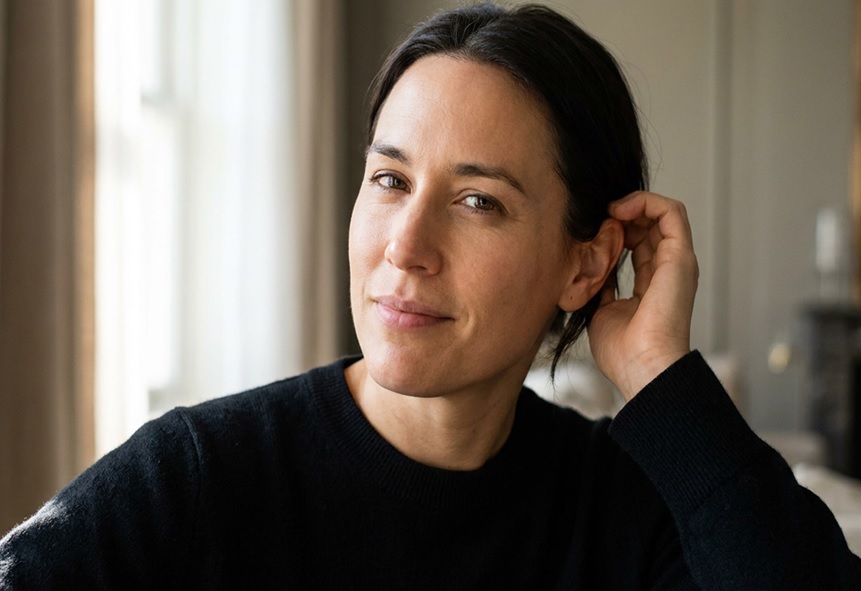
Otoplasty for adults is common and effective at any age, not just something reserved for children. Adult ear cartilage is firmer, so surgeons often use slightly different techniques, but candidacy is based on health and goals rather than a cutoff birthday. Recovery is typically one to two weeks, performed under local anesthesia with sedation for most adults in Newport Beach.
If you have spent decades tucking your hair behind your ears just to hide them again a second later, you already know the discomfort of feeling self-conscious about something so visible. Many adults assume ear surgery is a childhood procedure they missed their window for, something done before kindergarten photos rather than something to consider now. That assumption is outdated. Otoplasty for adults is a well-established, frequently performed procedure, and plenty of patients in Newport Beach and across Orange County pursue it well into their 30s, 40s, 50s, and beyond.
Some adults grew up with parents who considered ear surgery for them as children but decided against it or simply never brought it up at all. Others developed asymmetry or a change in ear shape later in life, from an injury, a stretched piercing, or gradual changes tied to aging skin and cartilage. Whatever the reason a person reaches adulthood still thinking about their ears, the good news is that they can still consider surgery.
Is Otoplasty Really Just for Kids?
No. Otoplasty is regularly performed on adults, and there is no upper age limit as long as a patient is in good general health. The American Society of Plastic Surgeons notes that while children are often referred for otoplasty before they start school to avoid teasing, adults pursue the same surgery for the same underlying reasons: ears that stick out, are uneven, or are larger than they would like.
The idea that otoplasty has an expiration date likely comes from the fact that pediatric cases get more attention, since parents are often the ones initiating the conversation for a child. But adult patients make up a meaningful share of otoplasty cases every year, and many wish they had explored it sooner instead of spending years managing their appearance around it.
What Makes Otoplasty for Adults Different From a Child’s Procedure
Adult otoplasty follows the same basic goals as pediatric ear surgery, but the technique often shifts because adult cartilage behaves differently. Ear cartilage is soft and pliable in young children, which makes it easy to reshape and hold in a new position. By adulthood, that same cartilage has fully hardened, so a surgeon may need additional maneuvers, such as scoring or precise sutures, to achieve a stable result.
This is one of the most important distinctions patients should understand before their consultation. According to plastic surgery references on the procedure, cartilage becomes noticeably firmer with age, and techniques to weaken or reshape it are often necessary in adult ears where a simple suture alone would not hold the correction long term. The upside is that once adult cartilage is set into a new position, it tends to hold that shape reliably, since it is no longer growing or shifting the way a child’s ear can.
Anesthesia is another point of difference. Children are frequently placed under general anesthesia for otoplasty, while many adults are candidates for local anesthesia with light sedation, which can mean a shorter appointment and an easier return to normal routines afterward.
Adult ears have also finished growing, which actually works in a patient’s favor. Pediatric otoplasty sometimes has to account for continued ear growth after surgery, while an adult ear that is reshaped is not going to change size or proportion on its own afterward. That stability is one reason many surgeons describe adult results as very predictable once initial healing is complete.
Adult cartilage holds a corrected shape reliably once it is set, even though it takes a bit more surgical finesse to get there.
Am I a Suitable Candidate for Adult Otoplasty?
Good candidates for otoplasty as an adult are in good general health, do not smoke, have realistic expectations, and are bothered by the size, shape, or position of their ears. There is no maximum age, and the procedure is equally common in men and women, since ear appearance concerns are not tied to gender the way some other cosmetic procedures are.
Common concerns that bring adults in for a consultation include:
- Ears that protrude noticeably from the head, sometimes called prominent ears
- Asymmetry between the two ears
- Ears that are disproportionately large for the face
- Folded, cupped, or unusually shaped ear cartilage present since childhood
- Stretched or torn earlobes from years of heavy earrings or gauges
During a consultation at The One Plastic Surgery Center, board-certified plastic surgeon Dr. Siamak Agha evaluates ear structure, skin quality, and overall health before recommending whether otoplasty, or a related procedure, is the right fit. Because every ear is shaped a little differently, this individualized evaluation matters more than any general checklist.
What Happens During Adult Ear Surgery
Otoplasty for adults typically takes one to two hours and is performed as an outpatient procedure, meaning patients go home the same day. Most adults receive local anesthesia combined with oral or intravenous sedation rather than general anesthesia, which tends to shorten recovery from the anesthesia itself.
The surgeon typically places the incision behind the ear, within the natural crease where the ear meets the head. This placement is intentional: it keeps any resulting scar tucked out of sight once healing is complete. From there, the surgeon reshapes and repositions the cartilage, using sutures, and sometimes cartilage-scoring techniques suited to adult tissue, to set the ear into its new position. The specific approach at The One Plastic Surgery Center’s otoplasty page is tailored to each patient’s ear anatomy and cosmetic goals rather than being a one-size-fits-all template.
Recovery After Otoplasty as an Adult
Recovery from adult otoplasty generally takes one to two weeks before returning to most normal activities, with a soft headband worn for support during the first stretch of healing. Swelling and bruising are most noticeable during the first week and steadily improve from there.
Most patients wear a protective head wrap for the first few days, followed by a lighter headband, often just at night, for another one to two weeks to keep the ears from being pulled forward while sleeping. Many adults are comfortable returning to a desk job within about a week, though more strenuous exercise and contact activities usually need to wait closer to four to six weeks. Because the incision sits in the natural crease behind the ear, most patients find the resulting scar fades and becomes difficult to notice within the first year.
One recovery consideration that is more relevant to adults than children: work and social obligations do not pause for healing the way they might during a school break. Planning time off in advance and being upfront with a surgeon about lifestyle and activity level helps set realistic expectations for the healing timeline.
Sleeping position matters during the first couple of weeks as well. Most patients are advised to sleep on their back, propped up slightly, to avoid pressure on the healing ears and to help minimize swelling. Some mild itching or tightness as the swelling resolves is normal, and any concerning pain, discharge, or fever should be reported to the surgical team right away rather than waiting it out.
Realistic Outcomes From Adult Otoplasty
Otoplasty can meaningfully improve the size, shape, symmetry, or position of the ears, but results vary based on each patient’s anatomy, skin quality, and healing response. It cannot make both ears perfectly identical, since some natural asymmetry is normal even after surgery, and it will not change hearing or ear function, since otoplasty addresses external appearance only.
Patient satisfaction with otoplasty tends to be high, largely because the change, while often significant to the patient, is usually subtle to others; friends and coworkers frequently notice that something looks different without being able to pinpoint exactly what changed. The Aesthetic Society tracks otoplasty among its regularly performed procedures each year, reflecting how established and consistently sought-after ear surgery has become for adult patients, not just as an occasional add-on to other treatments. For many adults, the emotional relief of no longer thinking about their ears in every photo or haircut is the more meaningful outcome than any single measurement.
For many adults, the real result of otoplasty is no longer thinking about their ears at all.
Choosing a Surgeon for Adult Otoplasty in Newport Beach
Adult ear cartilage requires more surgical judgment than pediatric cartilage, which makes surgeon experience especially important. Choosing a board-certified plastic surgeon with specific experience in adult otoplasty helps ensure that the surgeon uses techniques suited to lasting, natural-looking results when handling the firmer cartilage.
Board-certified plastic surgeon Dr. Siamak Agha has built The One Plastic Surgery Center in Newport Beach around exactly this kind of individualized, experience-driven care. Rather than applying a standard template, he evaluates each adult patient’s ear anatomy, skin elasticity, and goals to determine the surgical approach most likely to hold up over time. Patients researching options can also review a related case discussion on correcting prominent or unusually shaped ears for a closer look at how different ear concerns are approached.
The Bottom Line on Adult Otoplasty
It is not too late to consider otoplasty as an adult. Results and candidacy vary from patient to patient, and a consultation is required to determine whether ear surgery is the right option for your anatomy, health history, and goals. This article is intended for general information and does not replace personalized medical advice.
Ready to find out if otoplasty is right for you? Schedule a consultation with board-certified plastic surgeon Dr. Siamak Agha at The One Plastic Surgery Center in Newport Beach to discuss your goals and options.
Frequently Asked Questions
Is otoplasty only for children? No. Otoplasty is commonly performed on adults of any age, with no upper age limit as long as a patient is in excellent general health. Many adults pursue it later in life after years of feeling self-conscious about their ears.
How is adult otoplasty different from a child’s procedure? Adult ear cartilage is firmer and less pliable than a child’s, so surgeons often use techniques like cartilage scoring alongside sutures to achieve a stable shape. Adults also more commonly have the option of local anesthesia with sedation instead of general anesthesia.
How long is recovery after otoplasty as an adult? Most adults need one to two weeks before returning to normal daily activities, with a protective headband worn during that time. Strenuous exercise and contact sports typically need to wait about four to six weeks.
Will otoplasty leave a visible scar? The incision is usually placed behind the ear within the natural crease, which helps conceal it. Most patients find the scar fades significantly and becomes difficult to notice within the first year of healing.
Am I a suitable candidate for otoplasty as an adult? Good candidates are in excellent general health, do not smoke, have realistic expectations, and are bothered by the size, shape, symmetry, or position of their ears. A consultation with a board-certified plastic surgeon is the best way to confirm candidacy for your specific anatomy.